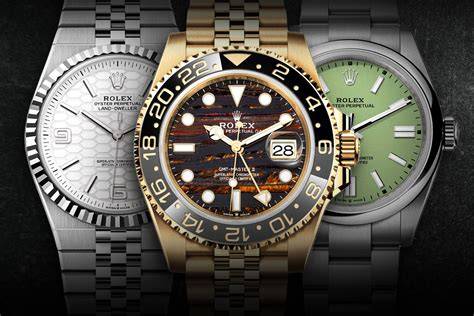
About replica watches vs real
The horological landscape is defined by an uncompromising pursuit of precision, heritage, and material excellence. When examining replica watches vs real timepieces, collectors, connoisseurs, and horology enthusiasts engage in a profound debate regarding value, manufacturing standards, and ownership philosophy. Understanding the nuanced distinctions between a genuine timepiece and an imitation watch requires a deep dive into metallurgical composition, mechanical movement architecture, and the rigorous standards upheld by luxury watch brands.
Haute Horlogerie vs. Counterfeit Manufacturing: The Material Reality
At the apex of the industry, authentic watches are forged from proprietary materials such as 904L Can You Really Spot the Difference? The Ultimate Debate on High-End Replicas vs. Genuine Watches in Daily Life. Discussion. stainless steel, proprietary yellow gold, white gold, and Everose gold alloys, and high-grade ceramic bezels. These materials undergo extensive metallurgical processing to ensure exceptional corrosion resistance, hypoallergenic properties, and a luminous, enduring polish.
Conversely, the manufacturing standards of counterfeit watches and super-clones vary wildly. While marketing terms like AAA replicas and high-imitation watches boast advanced replication techniques—such as utilizing sapphire crystal, automatic movements, and laser-etched crown logos—microscopic inspection often reveals critical compromises. Genuine timepieces feature flawless case finishing, precise beveling, and perfectly aligned hour markers and dial typography. In contrast, lower-tier knockoffs suffer from rough case edges, Fake vs. Replica Watches: What Is The Difference inconsistent lume application using substandard compound 00 Rolex Super-Clone Pepsi under professional Rolex s, and misaligned date wi Fake vs. Replica Watches: What Is The Difference ndows beneath the cyclops lens.
Mechanical Mastery: Movements and Complications
The true heartbeat As an authentic Rolex owner, can you tell the difference between a fake and the real thing? of any high-end horological investment lies within its mechanical movement. Swiss-made movements—whether manual-wind or self-winding automatic—are assembled by master watchmakers who fine-tune components to meet stringent COSC chronometer certification standards. Th Understanding Replica Watches: Why People Buy Them ese movements incorporate intricate escapements, balance springs made of specialized alloys like Parachrom, and hand-finished bridges adorned with Côtes de Genève motifs.
In the realm of replica watches vs real, the divergence inside the case is stark. Even high-grade replica timepieces attempting to mimic complex movements—such as a chronograph, GMT function, or tourbillon—frequently rely on mass-produced base c Fake vs. Replica Watches: What Is The Difference alibers with decorative plating designed to resemble genuine caliber architectures. A genuine luxury watch guarantees longevity, shock resistance, and thermal stability, backed by decades of research, development, and comprehensive manufacturer warranties.
Valuation, Investment, and the Ethics of Ownership
Beyond craftsmanship, the financial paradigm separates the genuine article from market alternatives. Luxury horology often functions as an alternative asset class, where iconic models from prestigious Maisons appreciate in value on the secondary market. Documentation such as original box and papers, certificates of authenticity, and verifiable serial numbers establish provenance and protect the buyer's investment.
Purchasing a fake watch offers immediate superficial aesthetic satisfaction without the intrinsic asset value, ethical sourcing, or historical prestige. Ultimately, the discourse surrounding replica watches vs real extends beyond mere physical inspection; it is an appreciation of the centuries-old dedication to human craftsmanship, artistic mastery, and uncompromising engineering that defines true luxury timepieces.