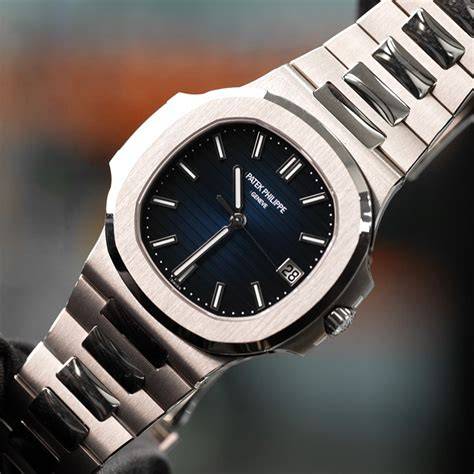
About quality 1 1 1
When discerning collectors and luxury aficionados encounter the term quality 1 1, they are looking at the pinnacle of precision manufacturing. Much like how Quality Area 1 governs the structural integrity of educational program and practice within the National Quality Standard (NQS), the world of high-end craftsmanship relies on exact metrics, absolute fidelity, and rigorous evaluation. Whether evaluating a 1 1 quality designer bags release or assessing a comprehensive approved learning framework, the overarching principle remains identical: uncompromising excellence, attention to detail, and a strict adherence to baseline specifications.
The Anatomy of Craftsmanship and quality
In the luxury sector, achieving true quality requires an obsessive focus on raw materials, hardware weight, stitching density, and precise dimensions. When evaluating 1 individual masterpiece against an authentic archive piece, master artisans look for seamless integration of heritage techniques with modern technological precision.
To understand what makes quality 1 1 unique, we must analyze the exact parameters that separate standard manufacturing from haute-atelier production:
- Stitching Precision: Premium items feature a precise saddle-stitch metric, often maintaining 8 to 10 stitches per inch using waxed linen thread.
- Hardware Composition: High- What does 1:1 mean? : r/KitSwap end items utilize solid brass or precious metal plating (such as 18k gold or palladium) with hand-polished bev Standard 1.1: Program els, ensuring proper heft and oxidation resistance.
- Material Sourcing: Utilizing ful Key Terms From Quality Area 1 l-grain hides, calfskin linings, and exotic leather grades that match the tactile suppleness of original flagship piece NQSQualityArea1: Educational Program and Practice – or QA1 for short – is one of 7qualityareas under the NationalQualityStandard s.
Parallels in Standardized Excellence: 1 and Beyond
Interestingly, the pursuit of 1 quality mirrors rigorous institutional frameworks found globally. For instance, the ACECQA guidelines and the Early Years Learning Framework (EYLF) outline specific benchmarks for early childhood education. Just as educators utilize Quality Area 1: Educational program and practice to foster play-based learning, luxury curators rely on standardize “A term used to describe counterfeit goods of extremely highquality, so much so that they look identical to the authentic product. Commonly d grading systems to evaluate 1 1 quality artifacts.
Every single element must be accounted for. In educational settings, educators track children's learning, curriculum decision-making, and intentional teaching. In luxury goods evaluation, experts examine edge-painting, heat-stampi National Quality Standard (NQS) | StartingBlocks.gov.au ng typography, and serial code placements with identical scrutiny.
Evaluating 1 1 quality Through an Expert Lens
Discerning consumers often ask what defines 1 1 quality in the secondary market. The terminology refers to goods crafted to mirror every millimeter of an authentic specification. However, true luxury authority demands transparency, ethical sourcing, and an appreciation for the artisan's labor.
By integrating strict benchmarks—whether through Quality Area 1 – Educational program and practice guidelines or high-end material verification—we ensure that our understanding of quality 1 1 remains sophisticated, highly detailed, and grounded in verifiable craftsmanship standards.