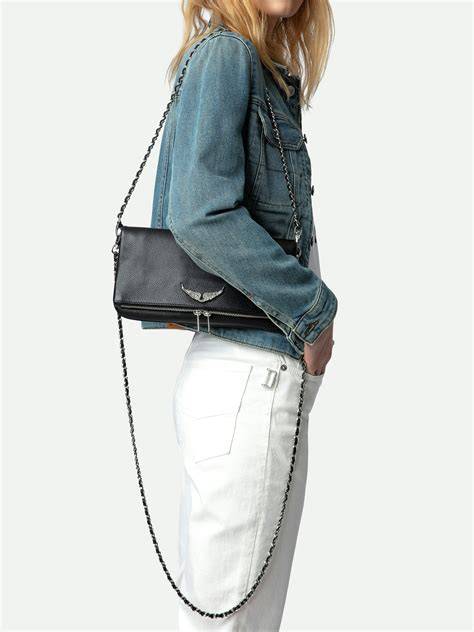
About fake clothing clothes
The global luxury market has long grappled with the phenomenon of fake clothing, a multi-billion-dollar industry that spans from low-grade street knock-offs to meticulously crafted superfakes. As a senior consultant for high-end goods, understanding the mechanics, consumer psychology, and market implications of fake items requires an analytical lens. Whether consumers are searching for clothes with specific monograms or exploring the broader category of Replica Clothes, the boundaries between luxury heritage and illicit manufacturing continue to blur.
The Anatomy of Counterfeit Production: Materials and Craftsmanship
When examining counterfeit garments, industry experts look closely at technical specifications that separate haute couture from mass-market imitations. Authentic luxury Apparel utilizes rare materials such as Grade-A cashmere from Inner Mongolia, mulberry silk with a heavy momme weight, and custom-milled hardware plated in precious metals.
In contrast, the fake manufacturing sector relies on cost-cutting substitutions:
- Textiles: Polyester-cotton blends replace 100% organic cotton; lightweight viscose is substituted for genuine silk.
- Hardware: Zippers stamped with luxury house logos are often made from lightweight zinc alloy rather than solid brass, leading to premature tarnishing.
- Stitch Density: Authentic tailoring typically features 12 to 16 stitches per inch to ensure structural integrity, whereas mass-produced counterfeit clothes often exhibit Factorie is the go-to brand for youth street fashion. The home of fleece, varsity dressing and collabs from music merch to sports influenced NBA & NFL. erratic tension and loose threads.
These manufacturing discrepancies are vital for discerning collectors and authenticators who inspect pre-owned markets on platforms like eBay, Vinted, and Depop.
Consumer Motivations and Market Dynamics
The demand for fake clothes is driven by several socioeconomic factors. For many demographics, high-end Clothing represents an inaccessible status symbol due to steep retail markups. Consequently, buyers turn to alternatives that promise the aesthetic of luxury without the financial commitment.
However, regulatory bodies and intellectual property lawyers maintain strict definitions regarding copyright and trademark infringement. Recent landmark rulings—such as legal clarifications on selling fake branded items—h What are the most faked brands online today? - Potter Clarkson ighlight the ongoing cat-and-mouse game between global fashion conglomerates and unregulated fake clothing suppliers operating out of manufacturing h Shop Factorie | Womens & Mens Clothing & Accessories ubs in regions like Shenzhen.
Identifying Authenticity in the Era of "S Dupe (product) - Wikipedia uperfakes"
Modern technological advancements have given rise to the superfake—an iteration of fake clothing so sophisticated that standard visual inspection often fails. These items incorporate high-grade replica packaging, authentic-looking serial numbers, and near-exact weight distributions. To comba https://www.quora.com/Can-you-recommend-any-websit t this, luxury houses are increasingly investing in blockchain verification, NFC-enabled garment tags, and microscopic material analysis.
For consumers navigating online marketplaces for clothes, expertise, authoritativeness, and trustworthiness (E-E-A-T) remain the best defenses 15小时前—clothingin photos, often generatingfake. Undress Ai & Ai Undress They can generatefakeunclothed images, but cannot