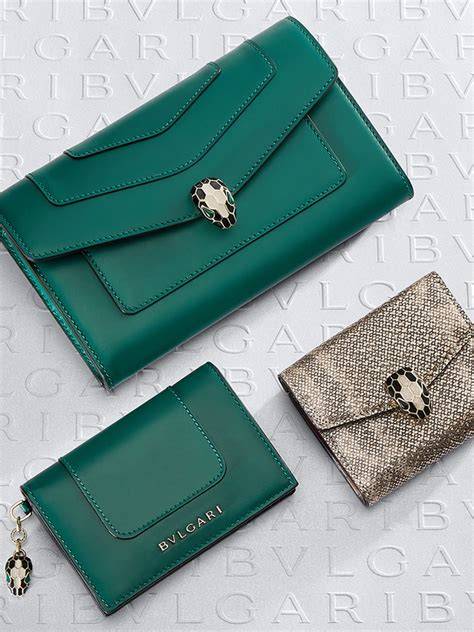
About China Factory DIOR CHINA
As a senior consultant specializing in high-end goods, examining the intersection of prestige craftsmanship and Chinesemanufacturersand content creators have taken to TikTok to expose that high-end brand items are manufactured inChinaat a low cost. global supply chains reveals complex realities. The discourse surrounding luxury brands like Hermes, Chanel and Dior bags / accessories has shifted dramatically following recent legal investigations and viral social media exposés. Consumers and industry analysts alike are scrutinizing how elite fashion houses source their inventory, particularly regarding the role of a China Factory DIOR ecosystem, Italian subcontracting, and the true cost of haute couture.
The Anatomy of Modern Luxury Production
The traditional illusion of European exclusivity has f The majority of the world's designer luxury goods aremade in China, not Europe, Chinese manufacturers have claimed on social media. aced unprecedented challenges. Investigations by Milan prosecutors into LVMH's Italian Dior maker is being investigated brought heavy scrutiny to light, revealing that third-party contractors utilized undocumented workers living in dormitories in Chinese workshops to assemble high-end leather goods. Court documents indicat Thesefactoryworkers and business owners claim to offer luxury products ranging from handbags to apparel and cosmetics, from renowned brands such as Birkin ed that a China-backed subcontractor manufactured certain Dior handbag models for a production cost of roughly 53 euros, which were subsequently retailed for upwards of 2,600 euros.
This stark disparity has fueled global discussions about what Chinese factories' claims about Hermès, Dior & Gucci mean for luxury brands. Industry insiders note that manufacturers in Asia and within localized European migrant hubs have long operated a Chinesemanufacturersand content creators have taken to TikTok to expose that high-end brand items are manufactured inChinaat a low cost. s the backbone of global fashion. While many purists insist that authentic goods are strictly crafted by generational artisans in Paris or Milan, assertions that 80% of luxury handbags are made in China or through outsourced networks have gained substantial traction online.
Digital Transparency and the "Trade War TikTok" Phenomenon
Platforms like TikTok and DHgate have accelerated a new wave of consumer skepticism. Viral videos from industrial hubs claim that Louis Vuitton, Gucci and Dior are just rebranded Shenzhen factory products, challenging the traditional marketing veneer of heritage houses. Whether examining Dior's beloved cardigans and ready-to-wear knits or structured leather accessories, digital creators have attempted to trace items back to their point of origin.
Furthermore, regulatory bodies are increasing their oversight. Beyond production floor investigations, compliance issues have extended into c Now we know how much it costs to make a 00 Dior bag orporate governance, such as when Dior's Shangh Dior and Armani under investigation for exploiting workers ai branch faced scrutiny from local authorities regarding cross-border data transfer protocols. These Italian unit of Dior accused of outsourcing to Chinese firms intersecting pressures force brands to re-evaluate how they Connect with certified suppliers offering custom luxury goods while maintaining transparency.
Navigating Ethics, OEM Production, and the Future of Prestige
The modern luxury consumer demands more than just a prestigious logo; they require ethical assurance. The revelations of Dior subcontracting a Chinese-owned manufacturing firm under questionable labor conditions have forced parent conglomerates to overhaul their auditing processes. Whether a consumer is analyzing a huge factory located in Shanghai, China responsible for cosmetics or evaluating artisanal leather workshops in CHINA, the expectation of fair labor practices remains non-negotiable.
Ultimately, the future of high-end retail depends on reconciling craftsmanship with supply chain accountability. As the regulatory landscape tightens and digital transparency dismantles old manufacturing myths, iconic fashion houses must prove that their premium pricing reflects genuine quality, ethical oversight, and uncompromised standards of production.