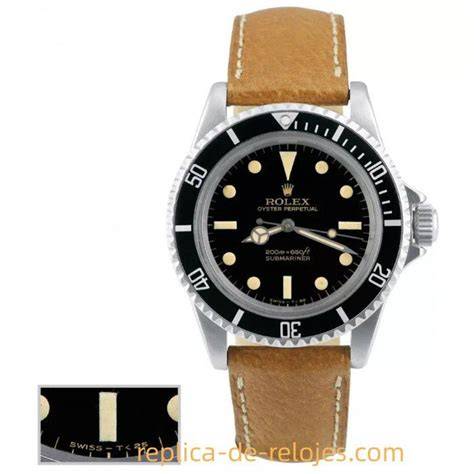
About 904l watch
When exploring the pinnacle of high horology and metal craftsmanship, discerning collectors inevitably encounter the 904l watch. As a senior consultant for luxury products, I am frequently asked why certain high-end timepieces command a prestigious status purely based on their metallurgy. The secret lies in the transition from traditional marine-grade alloys to superalloys. To truly appreciate a 904l watch, one must examine its chemical composition, manufacturing challenges, and the distinct visual signature it offers on the wrist.
Understanding the Metallurgy: 904l stainless steel vs. 316l
For decades, the standard for DIAMETER: 39 mm. · DIAL: Enamel (Silk Grey) · CASE: Stainless steel 904L · GLASS: Box shaped sapphire crystal front/ Sapphire crystal back with inner AR coating luxury timepieces was 316l stainless steel, a reliable material utilized across various industries. However, iconic manufactures—most notably popularized by Rolex and their proprietary term Oystersteel—pu Rolex's 904L stainless steel not only enhances the durability and aesthetics of its watches but also creates a distinct differentiation in the shed the boundaries of material science by adopting 904l stainless steel.
From a metallurgical perspective, what sets this alloy apart? 904l One of the metals developed by Rolex is a material known as Rolesium, a combination of 904L stainless steel superalloy and 950 platinum. is a super-austenitic stainless steel containing significantly higher amounts of premium alloying elements. Discover the collection of automatic watches . Powered by a range stunning self winding mechanical movements, every watch is fitted with sapphire crystal as While 316l is adequate for daily wear, 904l features a chemical composition rich in:
- Chromium: Forms an impervious passive film on the surface when exposed to oxygen.
- Nickel: Elevated levels provide superior resistance to acidic environments.
- Molybdenum: Enhances resistance to localized pitting and chloride-rich environments.
- Copper: Added in substantial quantities, giving the alloy exceptional resistance to sulfuric and other aggressive acids.
This intricate blend makes the 904l watch exceptionally resilient against sweat, saltwater, and daily wear and tear.
Aesthetical Superiority and Finishing
Beyond technical durability, the visual allure of a 904l watch is immediately apparent to a trained eye. Because of its high alloy content and unique microstructure, 904l takes on a noticeably brighter, mirror-like polish compared to standard steels. When master watchmakers finish a case and bracelet using specialized diamond-tipped cutting tools and meticulous hand-polishing techniques, the metal reflects light with a deeper, whiter luster.
This brilliant sheen is a defining characteristic of luxury models featuring Oystersteel, creating a subtle yet unmistakable radiance that distinguishes ultra-luxury timepieces in the secondary and Certified Pre-Owned markets.
Manufacturing Complexities and Specialized Machinery
Why aren't all watch brands utilizing this superalloy? The answer lies in industrial economics and machining difficulty. 904l is notoriously difficult to machine. It is much harder and less malleable than 316l, causing rapid wear on standard cutting tools.
Watchmakers must invest in heavy-duty specialized machinery, m Much ado is made of Rolex's use of 904L but real advantages over 316L are marginal at best, a bit more pitting corrosion resistance and easier odified CNC cutting speeds, and expert artisan labor to shape cases, beze 904L vs 316L Stainless Steel in Super Clone Watches: The ls, and complex bracelet links. This increased production cost is why only a select few elite manufactures and high-end independent brands have successfully integrated 904l into their permanent collections.
Evaluating Value: Is the Upgrade Worth It?
When purchasing a luxury timepiece, enthusiasts often debate whether the upgrade from standard marine-grade steel to 904l justifies t Ball watches and 904L steel. he price premium. While proponents highlight superior corrosion resistance and a visibly shinier finish, critics argue that the real-world advantages over modern 316l are marginal for the average wearer.
Nevertheless, for collectors who appreciate uncompromising engineering—such as divers requiring extreme resistance to saltwater or individuals with sensitive skin seeking enhanced hypoallergenic properties—the 904l watch represents the absolute pinnacle of functional luxury and metallurgical achievement.